Feeling overwhelmed by the prospect of your first Model United Nations (MUN) conference? You’re not alone. The world of diplomatic procedure, country policies, and formal debate can seem daunting, but with the right preparation, your debut can be a resounding success. This guide breaks down the essential steps—from initial preparation to the final closing speech—ensuring you walk into your first committee session confident and ready to make an impact.
Phase 1: Pre-Conference Preparation
Understanding the Topic and Committee
Read the Background Guide Thoroughly: This is your primary resource. It outlines the scope of the issue, previous UN action, and the specific mandate of your committee. Identify key terms and the main areas of contention.
Identify Committee Goals: What specific resolution or action is your committee aiming to achieve? Understanding the desired outcome will frame your research.
Researching Your Assigned Country
Master the National Policy: What is your country's official stance on the committee topic? This is non-negotiable. Your policy must be consistent, grounded in fact, and reflective of the country's actual interests, history, and geographical context.
Note Key Statistics and Treaties: Gather relevant data points, such as Gross Domestic Product (GDP), population, or specific treaties your country is a signatory to. These add credibility to your arguments.
Identify Allies and Opponents: Which countries typically share your nation's views? Which are likely to oppose your proposed solutions? Knowing this helps you strategically plan your alliances during the conference.
Drafting Your Position Paper
Structure Your Argument: A position paper is a concise summary of your country's policy. It should introduce the topic, state your country's policy, outline past actions, and propose general solutions.
Cite Sources: Ensure all your claims are well-supported. Proper citation is crucial for academic integrity.
Review and Refine: The paper should be clear, professional, and adhere to any specific length or formatting guidelines set by the conference organizers.
Phase 2: The Conference Day Checklist
The Opening Speech
Write and Practice: Your opening speech is your first impression. It should be approximately 60 to 90 seconds long. Structure it to include an enthusiastic greeting, a strong statement of your country's policy, and a brief mention of potential solutions.
Project Confidence: Stand up straight, speak clearly and at a moderate pace, and make eye contact with the Chair and other delegates. This sets a tone of authority.
Formal Debate and Procedure
Know Your Motions: Familiarize yourself with basic parliamentary procedure. Understand when to raise a Point of Personal Privilege, a Point of Order, or when to move to a Moderated Caucus or an Unmoderated Caucus.
Listen Actively: Don't just wait for your turn to speak. Pay close attention to what other delegates are saying to identify opportunities for cooperation or rebuttal.
Use Proper Language: Always address the Chair and other delegates in the third person (e.g., "The distinguished delegate of [Country Name] agrees," or "We ask the delegate of [Country Name] a question."). Maintain formality and respect at all times.
Unmoderated Caucus and Bloc Formation
Network Strategically: This is where the real negotiation happens. Identify countries with similar or complementary policies and form working groups (blocs).
Collaborate on Working Papers: Start drafting clauses that reflect the shared goals of your bloc. Everyone should contribute to ensure broad support.
Phase 3: Resolution Writing and Lobbying
Drafting the Resolution
Understand Operative and Preambulatory Clauses: Preambulatory clauses state the problem and what has been done previously, while operative clauses state the solutions and actions to be taken.
Be Specific and Practical: Solutions must be realistic and within the means of the United Nations or the implementing bodies. Use clear, action-oriented verbs.
Gather Sponsors and Signatories: To submit a draft resolution, you need a minimum number of sponsors (those who support the resolution and helped write it) and signatories (those who wish to see it debated).
Lobbying for Support
Be a Diplomat: Approach delegates from other blocs and try to convince them to support your resolution or merge your ideas. Diplomacy involves listening, compromising, and persuading.
Prepare Amendments: Anticipate weaknesses in your resolution and have amendments ready to address concerns raised by opponents.
Final Thoughts
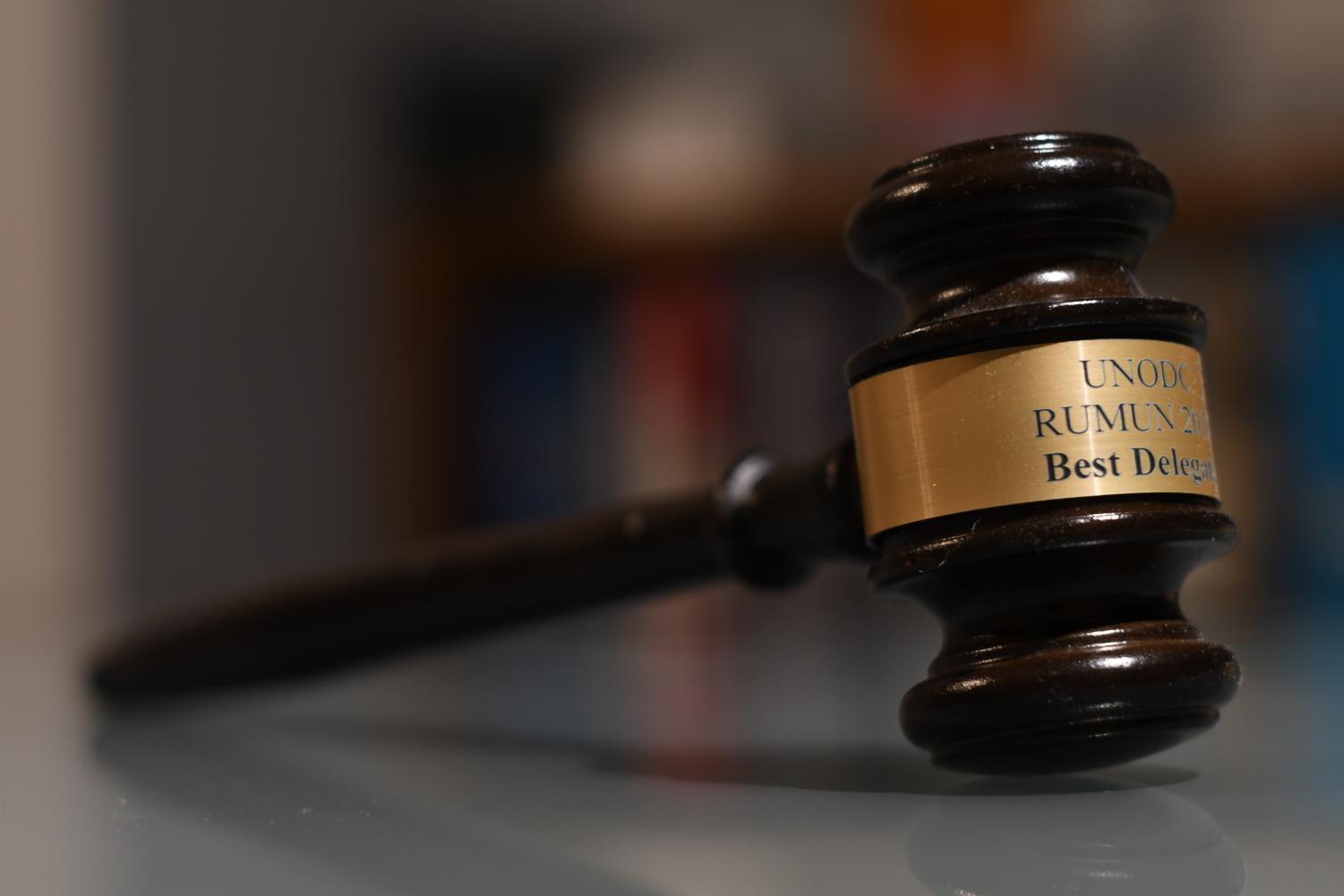
Your first MUN is about learning, engaging, and most importantly, participating. Don't worry about being perfect or winning an award. Focus on representing your country's policy accurately, collaborating effectively, and contributing constructively to the debate. Check off these steps, take a deep breath, and embrace the challenge. The gavel awaits.
Thank you for reading the Diplomatic Dispatch!